
About this course
Complete a BPS-accredited Masters in Sport Psychology at LJMU under the guidance of world-leading academic staff who carry out internationally recognised research.
- This programme is British Psychological Society (BPS) accredited for applicants with Graduate Basis for Chartered Membership (GBC) and offers a route into Stage Two training to become an HCPC Registered Sport and Exercise Psychologist
- It is one of the first courses to be endorsed by the British Association of Sport and Exercise Sciences (BASES) SEPAR Endorsement Scheme (PSES)
- Completion enables you to proceed onto LJMU's Professional Doctorate in Sport and Exercise Psychology, the British Psychological Society's Stage 2 training programme, or the British Association for Sport and Exercise Science's SEPAR training programme — all of which make you eligible to register as a sport and exercise psychologist
- Benefit from high levels of academic and pastoral support and access to world-class facilities in the award-winning Tom Reilly Building
- Look forward to excellent vocational opportunities, including a professional practice placement in a sport or exercise setting
- The School of Sport and Exercise Sciences is ranked 6th for Sports Science (QS World University Rankings 2024)
The School of Sport and Exercise Science has been delivering this programme for over 20 years, yet we keep our course design current so that you can apply the most relevant theory and research within your practice. We have a strong ethos of theory and applied knowledge, and it is this practice-based learning that we instil in our postgraduates — a style of knowledge transfer that no other BPS accredited course offers.
The programme philosophy seeks to critically engage you with a broad spectrum of Sport Psychology perspectives, drawing on a range of research and applied methodologies. Founded on an academically rigorous knowledge base, studies focus on the impact that research and psychological theory has on applied practice.
Our academic team members have been selected for their specialist expertise, and you will be taught by these experts in performance enhancement. As a postgraduate on this programme, you will experience a rich and highly relevant education and be able to grow as a sport and exercise psychology professional in this elite environment of thought-leaders from the field of Sport and Exercise Psychology.
Our commitment to your ability to support the performance, development and welfare of sportspeople remains our primary focus. You will develop consultancy skills and the knowledge to counsel sportspeople. The results of your work, and the effect it will have on an athlete's physical and psychological development, will become one of your key outcomes.
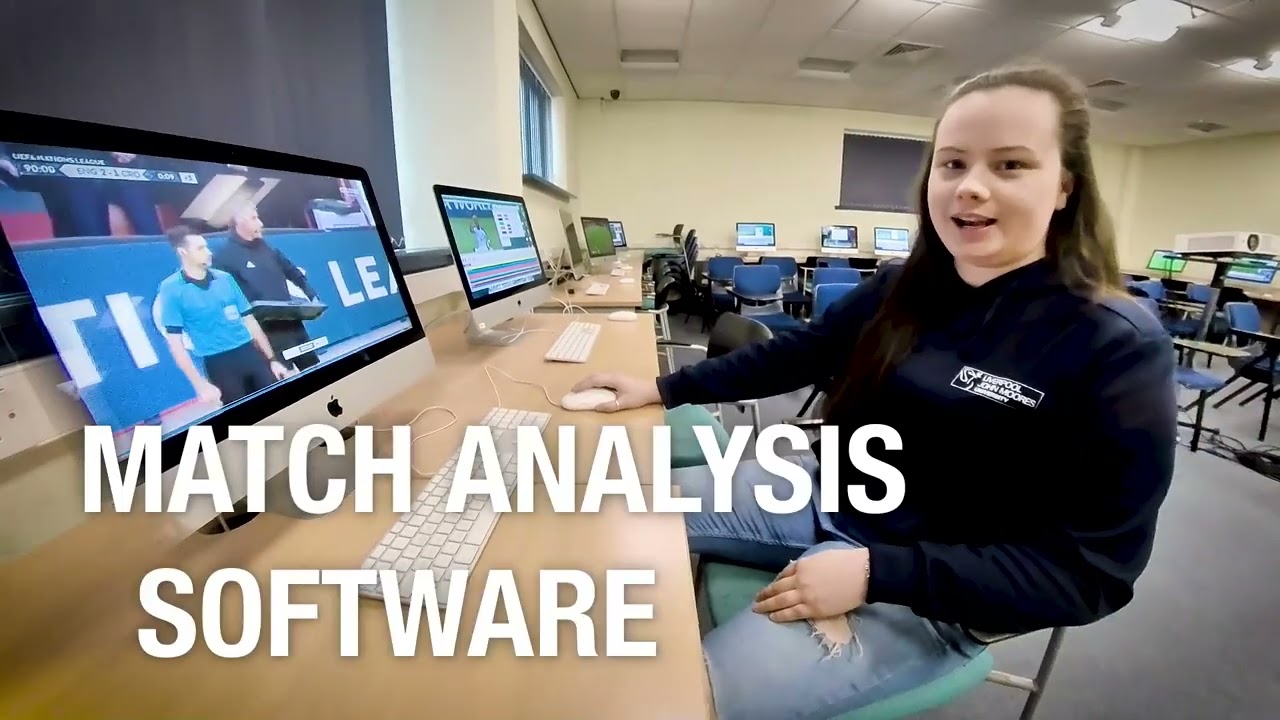
Go on a tour of the School of Sport and Exercise Sciences
Find out more about studying MSc Sport Psychology

Find out more about studying MSc Sport Psychology

Course modules
Discover the building blocks of your programme
Your programme is made up of a number of core modules and a research project as detailed below.
Further guidance on modules
Modules are designated core or optional in accordance with professional body requirements, as applicable, and LJMU’s Academic Framework Regulations. Whilst you are required to study core modules, optional modules provide you with an element of choice. Their availability may vary and will be subject to meeting minimum student numbers.
Where changes to modules are necessary these will be communicated as appropriate.
Your Learning Experience
An insight into teaching on your course
Study hours
Semester 1: 1 x 20 credit module running on Tuesday and 1x40 credit module running on Wednesday
Semester 2: 1 x 20 credit module running on Tuesday and 1x40 credit module running on Wednesday
Year-long: 1 x 60 credit research project with submission deadline of last working day in July
Teaching methods
We offer you a fantastic and supportive environment in which to study a sport and exercise science-related postgraduate course. You will develop consultancy skills and the knowledge to counsel sportspersons. The results of your work, and the effect it will have on an athletes physical and conscious development, will become one of your key outcomes.
Applied learning
Studies focus on the impact that research and psychological theory has on applied practice. We pride ourselves on our long standing status as a preferred training route and we welcome applications from ambitious sports scientists keen to ultimately contribute to our portfolio of experience and produce their own research grounded in the real world.
How learning is monitored on your programme
To cater for the wide-ranging content of our courses and the varied learning preferences of our students, we offer a range of assessment methods on each programme.
The programme is designed to train sports psychologists in how to successfully improve performance, the mind/body connection and the wellbeing of elite sportspersons. Assessment methods for this course include: essays, oral presentations, consultancy reports, a research proposal and ethics application, research papers and a viva.
Where you will study
This programme is based in the City Campus. LJMU has invested £35 million in state-of-the-art laboratory facilities for our current and future sport scientists. All of our labs are furnished with the latest equipment which enables us to work with our students and partners to enhance our understanding of the science behind human performance and behaviour.
Course tutors

Professor Butt gained her MSc and PhD from Miami University, Ohio in the USA. Before joining LJMU, she worked at Sheffield Hallam University in the Centre for Sport and Exercise Sciences. Professor Butt has spent a significant portion of her career working in elite sport as a sport psychologist, including a secondment as Head of Performance Psychology for the English Institute of Sport and an assignment at the London 2012 Olympic Games. She is currently working with individual performers in golf and tennis. Professor Butt also works for the British Equestrian Federation as a practitioner and as part of their youth coach development programme. Her research interests include: key psychological constructs that impact on athletes performance; the factors influencing athlete development; and understanding how athletes can continue to thrive in pressure environments. Professor Butt has published over 50 journal articles and continues to take a research-informing practice approach to her work and teaching.
I enjoy helping our students at LJMU develop on their journey towards becoming a sport psychologist and sharing my research and consultancy experiences along the way. I particularly enjoy leading our Applied Sport Psychology research group as part of the Research Institute for Sport and Exercise Sciences (RISES)
Career paths
Further your career prospects
LJMU has an excellent employability record with 97% of our postgraduates in work or further study fifteen months after graduation (Graduate Outcomes Survey, 2025). Our applied learning techniques and strong industry connections ensure our students are fully prepared for the workplace on graduation and understand how to apply their knowledge in a real world context.
The integrated and critical nature of the programme promotes qualities and skills relevant to employability within the sport psychology field and many career opportunities are open to you on graduation. Many graduates continue their training to become registered sport and exercise psychologists. They go into applied work, teaching and lecturing in schools, colleges and universities or continue their studies with a doctoral research/training programme. Some graduates have engaged in sports science support and/or athlete support programmes with national governing bodies and professional sports clubs or acted as consultants in professional sport settings.
A large number of graduates continue in education, research or applied work, including BPS Stage 2 training, such as the Professional Doctorate in Sport and Exercise Psychology at Liverpool John Moores University. Some go into teaching and lecturing in schools, colleges and universities.
Past graduates have engaged in sports science support and/or athlete support programmes with national governing bodies and professional sports clubs or acted as consultants in professional sport settings.
Tuition fees and funding
Fees
The fees quoted above cover registration, tuition, supervision, assessment and examinations as well as library membership and student IT support with access to printed, multimedia and digital resources including programme-appropriate software and on campus wifi.
Financial Support
There are many ways to fund postgraduate study for home and international students. From loans to International Scholarships and subject-specific funding, you’ll find all of the information you need on our specialist postgraduate funding pages. The University offers a range of financial support for students. You'll find all the information you need on our specialist financial support pages including details of the Student Support Fund and other activities to support with the cost of living.
Additional Costs
In addition to fees, students should also keep in mind the cost of:
- Accommodation
- Travel costs and field trips unless paid for by LJMU
- Stationery, IT equipment, professional body membership and graduation gown hire
Entry requirements
You will need:
Qualification requirements
GCSEs and equivalents
Maths and English
Further information
-
Extra Requirements
Mature entry
The programme team has a strong commitment to widening participation and positively welcomes non-standard applicants. Candidates with some management experience or those who are about to enter a managerial role and have demonstrated an aptitude for study can be accepted without previous experience of higher education.
-
RPL
In line with the UK Quality Code (2018) fairness and reliability are embedded principles within admissions and recruitment, and inclusivity pervades throughout the process from outreach activity to processes and practices to enrolment.
Recognition of prior learning for apprenticeship applications to the programme will be in alignment with the present LJMU Recognition of Prior (Experiential) Policy acknowledging:
- Recognition of Prior Learning (RPL)
- Recognition of Prior Experiential Learning (RPEL)
Please Note: All international qualifications are subject to a qualification equivalency check.
How to apply
Securing your place at LJMU
To apply for this programme, you are required to complete an LJMU online application form. You will need to provide details of previous qualifications and a personal statement outlining why you wish to study this programme.
Your university life
From accommodation and academic support to clubs and societies. Find out what LJMU has to offer.
Related Links


Talk to our students
Connect with a current LJMU student for advice and guidance on university life, courses and more.
See what our students are saying
At LJMU we want you to know you’re making the right choice by studying with us. You can see what our students are saying about their experience with us through their reviews on the following websites:


News and views
Browse through the latest news and stories from the university

The University reserves the right to withdraw or make alterations to a course and facilities if necessary; this may be because such changes are deemed to be beneficial to students, are minor in nature and unlikely to impact negatively upon students or become necessary due to circumstances beyond the control of the University. Where this does happen, the University operates a policy of consultation, advice and support to all enrolled students affected by the proposed change to their course or module.